Family Caregiving Is Becoming a Workforce and Economic Breaking Point for Millions of Americans
New national data shows family caregiving is a trillion-dollar pillar of the U.S. care economy while kinship families

Press Release Disclaimer: This is a press release distributed through the XPR Media network. It has not been independently verified by our newsroom.
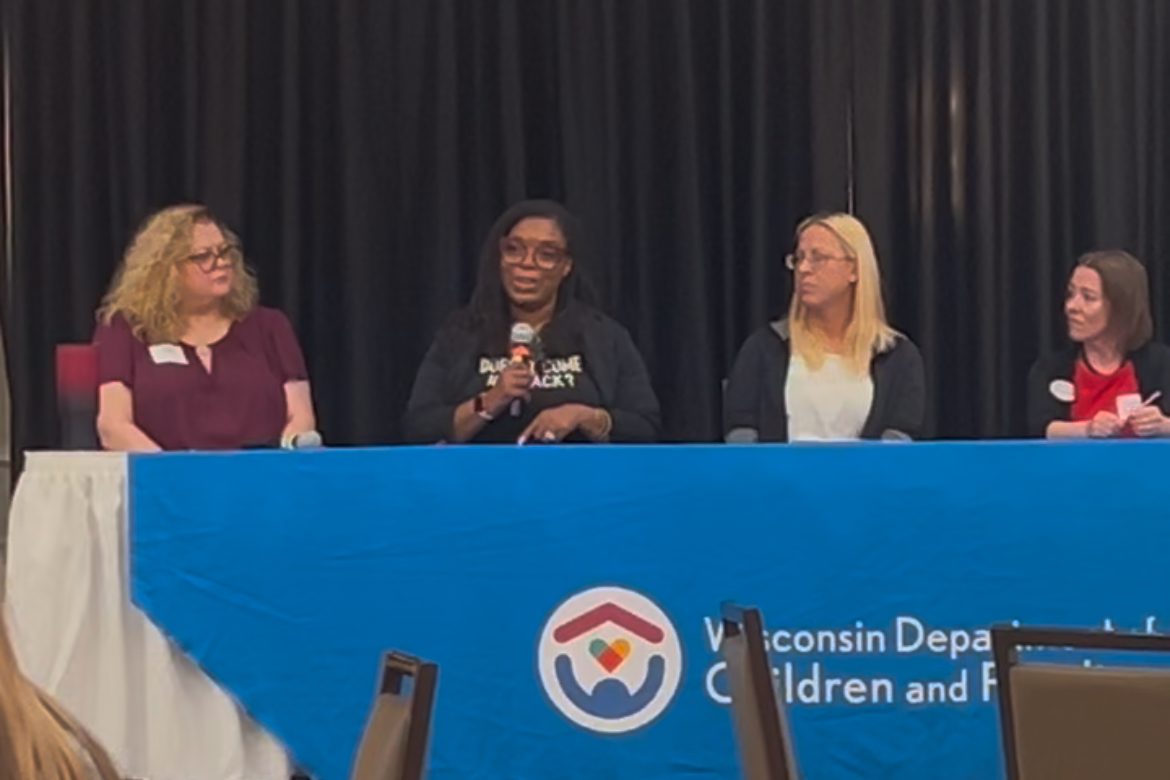

New national data shows family caregiving is a trillion-dollar pillar of the U.S. care economy while kinship families struggle for recognition and support.
MILWAUKEE, WI, UNITED STATES, August 17, 2026 /EINPresswire.com/ — Family caregiving in America is no longer a private issue happening quietly behind closed doors. It is a national workforce, economic and family stability issue affecting tens of millions of people. Many caregivers report limited workplace support, financial strain, and difficulty navigating fragmented care, service, and benefit systems.
AARP and the National Alliance for Caregiving reported in 2025 that 63 million Americans, nearly one in four adults, provided ongoing care for an adult or a child with a complex medical condition or disability during the prior year, up by roughly 20 million caregivers since 2015. Six in 10 family caregivers were also employed, and half of those working caregivers reported disruptions such as arriving late or leaving work early because of caregiving responsibilities.
The economic scale is even larger. The AARP Public Policy Institute’s 2026 Valuing the Invaluable report estimates that 59 million family caregivers of adults provided 49.5 billion hours of care in 2024. If that work were paid at market value, it would be worth approximately $1.01 trillion. AARP estimates that the $1.01 trillion value of unpaid adult family caregiving exceeded total federal, state, and local Medicaid spending nationwide in 2024.
Those figures primarily measure people caring for adults. A parallel caregiving system exists among grandparents and other relatives raising children when parents cannot. U.S. Census Bureau data for 2024 estimated more than 2 million grandparents were responsible for grandchildren under 18. Generations United reports that about 2.5 million children are being raised in grandfamilies and kinship families and estimates these caregivers save taxpayers more than $10.5 billion annually by keeping children out of foster care.
Together, the numbers point to a larger reality: American families are providing enormous amounts of essential care, often while navigating employment, financial pressure, schools, health care, government programs and complex family circumstances.
“Caregiving is one of those responsibilities that can change your entire life overnight,” said Natasha Broxton, a Milwaukee entrepreneur and long term relative caregiver advocate. “Families step in because somebody they love needs them. But love does not eliminate the need for information, financial support, workplace flexibility or a system that is easier to navigate.”
Broxton brings both lived experience and an employer’s perspective to the issue. She has personal caregiving experience and has participated in Wisconsin advocacy efforts focused on relative caregivers, caregiver awareness, support, and lived experience input. Her advocacy focuses on greater awareness, stronger support for relative caregivers, better data and ensuring that people with lived experience are included in decisions affecting families.
The challenge is especially visible in kinship care. Many relatives begin caring for children outside the formal foster care system. They may never identify themselves as caregivers, and their families can be difficult to capture in traditional child welfare data. That can leave policymakers and communities without a complete picture of how many families are carrying the responsibility or what resources they need.
The pressure extends into the workplace. The 2025 AARP and National Alliance for Caregiving study found that nearly half of caregivers experienced at least one major financial impact, such as taking on debt, stopping savings or struggling to afford food. Nearly one in four caregivers provided 40 or more hours of care each week, and almost one third were simultaneously raising children under 18 while caring for an adult.
For employers, that means caregiving is increasingly a workforce issue rather than an isolated personal circumstance. Flexible scheduling, clear leave policies, caregiver aware management and better connections to community resources can influence whether experienced employees are able to remain in the workforce while caring for family members.
Broxton’s own business leadership has informed that perspective. In 2025, she received the Wisconsin Exemplary Employer Award from the Wisconsin Family and Caregiver Support Alliance, recognizing her leadership in supporting family caregivers in the workplace. She was also recognized with the Wisconsin Department of Children and Families Secretary’s Putting Families First Award for her commitment to strengthening families and supporting caregivers.
But recognition alone does not solve the structural problem.
“The point is not to ask families to become better at carrying an impossible load,” Broxton said. “The point is to build systems that recognize the load they are already carrying and make it easier for them to find help before they reach a crisis.”
That includes improving public awareness of caregiver resources, strengthening workplace supports, making benefits and services easier to navigate, improving data on caregivers outside formal systems and including caregivers themselves in policy and program design.
As the U.S. population ages, health care continues shifting into homes and families remain a critical safety net for both older adults and children, the question is no longer whether caregiving affects the economy and workforce. The data shows that it already does.
The question is whether public systems, employers and communities will adapt quickly enough to support the people holding those systems together.
For interviews, keynote presentations and executive workshops with Natasha Broxton, visit AlituraGroup.com/speaking.
Natasha Broxton
Alitura Group
+1 414-763-2475
hello@alituragroup.com
Visit us on social media:
LinkedIn
Instagram
Facebook
YouTube
Legal Disclaimer:
EIN Presswire provides this news content “as is” without warranty of any kind. We do not accept any responsibility or liability
for the accuracy, content, images, videos, licenses, completeness, legality, or reliability of the information contained in this
article. If you have any complaints or copyright issues related to this article, kindly contact the author above.

Media gallery