
ABIS Highlights Precision Mold Design for Automotive and EV Components
ABIS examines how component design, material selection and quality planning support EV charging parts and compact

Press Release Disclaimer: This is a press release distributed through the XPR Media network. It has not been independently verified by our newsroom.
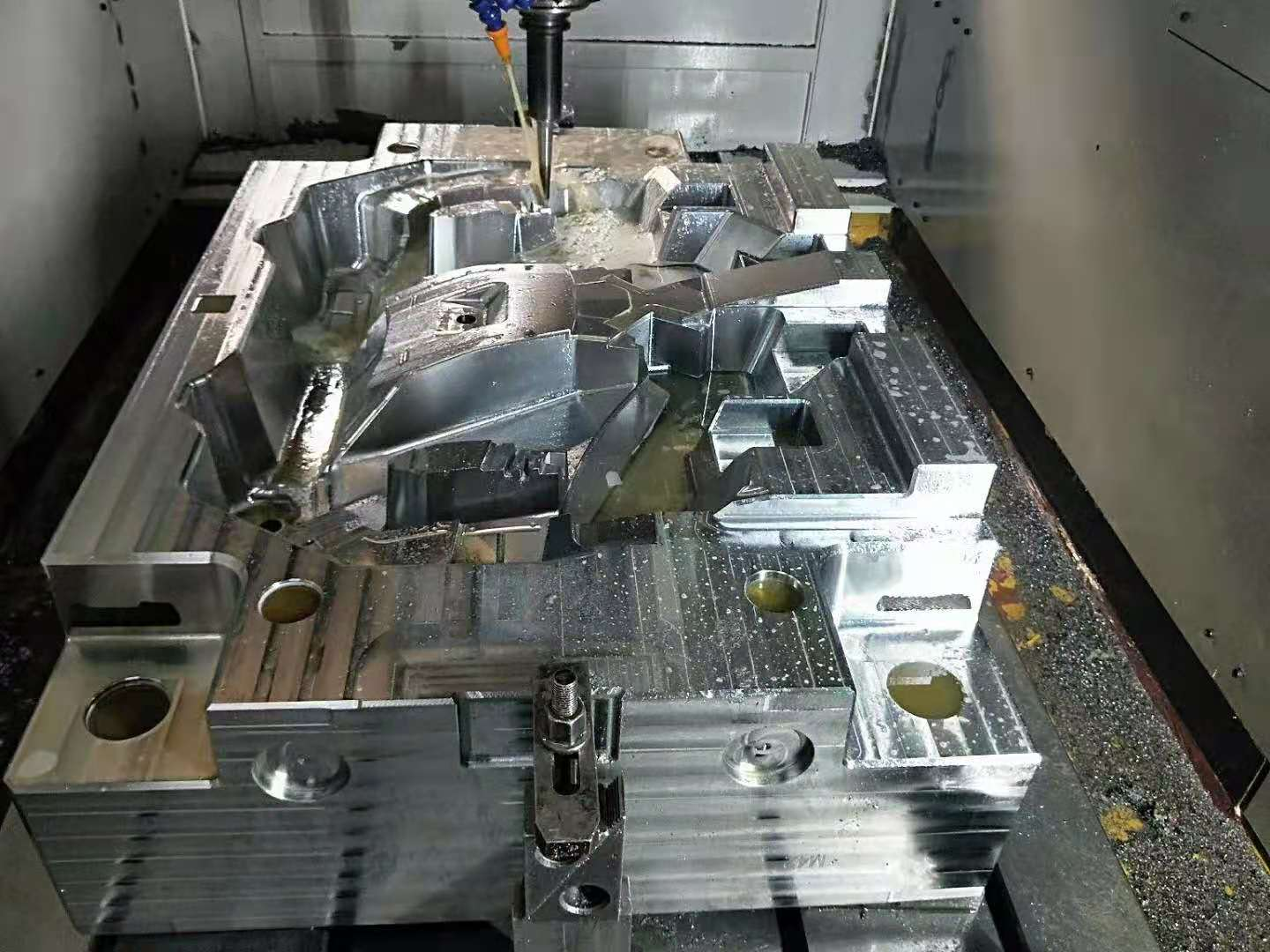

ABIS examines how component design, material selection and quality planning support EV charging parts and compact automotive trim.
SHENZHEN, GUANG-DONG, CHINA, October 29, 2026 /EINPresswire.com/ — ABIS MOLD TECHNOLOGY CO., LTD. is highlighting how mold design, material selection and quality planning shape the production of automotive plastic parts. The company’s automotive offering covers custom tooling, sampling and molded components for EV charging applications, battery-related parts and compact interior and exterior trim.
For automotive manufacturers and their suppliers, these components present different challenges. A charging connector housing has to work with the parts around it. A mirror cap needs to fit its carrier while meeting appearance requirements. An interior surround may be evaluated beside several neighboring surfaces, where differences in color or finish become easier to see.
Those distinctions matter when a project moves from a drawing to a production tool. A clear understanding of the component’s function helps engineers identify the features that deserve the closest attention and gives purchasing teams a sound basis for comparing proposals.
ABIS’s automotive resource brings these applications together around a practical starting point: the individual part. Its sourcing guidance encourages buyers to connect the drawing, material specification and expected production volume with an agreed plan for evaluating the finished component.
Charging components start with fit and function
A charging connector is an assembly, so its plastic components need to be considered in relation to one another. When specifying an EV charging connector mold, engineers can begin with the surfaces that guide the connection, the features that locate neighboring components and any attachment details included in the part.
These features explain why an assembly drawing can be as useful as the model of the plastic component itself. A locating feature may meet its individual dimensional requirement yet still need to be checked for fit with its mating component. Reviewing both together gives the team a fuller picture of what the tool must produce.
The sample evaluation can then focus on the same functional relationships. Instead of relying on a photograph of a finished housing, the review can include measured dimensions and an agreed assembly check. The purpose is to establish how the part behaves in the intended arrangement.
An EV charging port housing mold calls for a related but distinct review. Mounting points, cover attachments and sealing surfaces may each influence how the housing fits into the vehicle. Identifying these features early helps the team discuss where dimensional variation is acceptable and where closer control is needed.
Material requirements follow the operating conditions. Depending on the application, the specification may address heat, moisture, outdoor exposure or electrical properties. The selected resin and the finished assembly need the appropriate evaluation for that project; the appearance of a molded sample alone cannot establish system performance.
Battery components need a clearly defined role
The same attention to interfaces continues inside the battery assembly. EV battery pack plastic parts can include small covers, spacers, holders and brackets, each with a different role in locating, separating or protecting surrounding components.
For a spacer, the key question may be whether it maintains the required position within the assembly. For a cover, the focus may be its attachment and the area it protects. Treating these as distinct components helps the engineering team build an evaluation plan around their actual use.
The material specification is another part of that discussion. Electrical insulation, operating temperature, chemical exposure and flame behavior may be relevant, depending on the component’s function. A defined resin grade gives the supplier a clearer starting point than a broad material description.
Material changes also deserve attention before tooling decisions are finalized. If an alternative is proposed, the customer needs to understand why it is being suggested and what further evaluation it requires. This keeps the material decision connected to the design rather than treating it as a purchasing substitution.
In this context, developing a new energy vehicle parts mold begins with a specific component brief. The brief can identify what the part does, what it connects to and how it will be accepted. That information allows the tooling discussion to stay focused without implying that one molded component establishes the performance of the complete battery system.
Exterior parts bring appearance and assembly together
Elsewhere on the vehicle, small exterior components combine visible surfaces with practical attachment and movement requirements. Their development involves both the design people see and the features that make the part work in place.
A car door handle mold, for example, may be intended for a decorative cover, a mounting piece or another defined plastic component within the handle assembly. These items share a familiar product name, but they do not necessarily share the same engineering requirements.
The proposed manufacturing route needs to reflect the intended finished condition. A part that will be painted or decorated should be evaluated with that operation in mind. The team also needs to distinguish a surface concern from a problem with fit, attachment or movement.
For a car mirror housing mold, the relationship between the outer shell and its carrier provides a useful starting point. Visible edges and attachment features can be reviewed together so that appearance decisions remain connected to assembly requirements. Relevant exposure and finish requirements belong in the component specification as well.
This creates a more informative sample review. The buyer can assess the part’s appearance, dimensions and fit, with each observation tied to an identifiable requirement. The resulting feedback gives the toolmaker a clear basis for deciding whether a revision is needed and what that revision must address.
Interior trim depends on a shared visual reference
Inside the cabin, parts are often seen as part of a larger arrangement. A small surround or decorative cover may look acceptable on its own but raise questions when placed beside neighboring components.
For automotive interior trim plastic parts, a shared visual reference helps turn general expectations into something both parties can assess. An approved sample can support discussions about color, gloss and texture, while agreed viewing conditions help make the review consistent.
The engineering discussion remains equally important. A car interior plastic parts mold has to account for the visible surfaces and the features behind them, including attachment points and the geometry needed to remove the part from the tool. Considering these together helps the team assess the effect of a proposed design change.
Clear feedback makes that process easier. A comment about a surface needs to identify the part, the area being discussed and the sample revision. A photograph can help explain the concern, while a physical reference may be needed to settle the final appearance decision.
For projects involving several trim pieces, each component can retain its own approval status within a coordinated review. This allows the team to resolve a specific issue without losing sight of how the finished pieces will look together.
Small functional parts deserve a complete specification
Beneath the visible surfaces, clips, brackets and protective covers carry out less noticeable tasks. Their size can make them easy to overlook during purchasing, even when their function is important to the next assembly step.
The specification for small automotive plastic parts can remain straightforward, provided it explains how an acceptable part will be identified. Dimensions may be sufficient for some features. Others may also require a defined assembly check or functional test.
A retaining clip, for instance, can be checked for correct engagement with its mating part. The customer’s engineering team can define the relevant test method and acceptance limit, giving the supplier a clear target for sample evaluation.
Identification becomes particularly useful when several variants look alike or a mold has multiple cavities. Connecting samples and inspection results to the correct part revision and cavity preserves information that can help the team investigate a concern.
Packaging completes this part of the process. The agreed method needs to protect the parts and make them easy to identify at the receiving operation. It is a practical detail, but one that affects how smoothly accepted parts move into the customer’s workflow.
Turning application requirements into a mold design
These components serve different purposes, but their development follows a common progression: understand the function, review the design and establish how the result will be checked.
A design-for-manufacturability review examines how the component can be molded. Typical discussion points include wall transitions, ribs, undercuts and draft, the slight taper that helps a part release from the tool. The relevant choices depend on the geometry, material and intended finish.
This review works best as an exchange between the product designer and the toolmaker. A tooling recommendation may improve part release while affecting a visible feature. The two teams need enough information to evaluate that trade-off against the requirements of the product.
Once a decision is made, the approved drawing becomes the reference for the next stage. Keeping accepted changes in one revision record prevents an earlier model or an informal comment from becoming an unintended production instruction.
Tool trials then provide samples that can be measured and evaluated. Dimensional inspection, appearance review and assembly checks answer different questions, so the project team needs to know which results are required before moving forward.
The purpose of this sequence is to make each decision build on the previous one. It connects the original design intent with the evidence used to approve the part.
Quality planning gives supplier claims practical meaning
For a purchasing team evaluating a new energy vehicle plastic parts manufacturer, that connection between process and evidence is an important part of qualification. Experience is useful, but its relevance becomes clearer when the supplier can discuss comparable features, manufacturing steps and inspection needs.
ABIS’s published company profile states that it has obtained ISO 9001 certification. Buyers can use the relevant certificate as part of their review, checking its validity, covered location and scope against the work being proposed.
Program-specific automotive requirements need their own review. If a customer requires IATF 16949 certification, particular traceability records or defined approval documents, those conditions belong in the inquiry and need to be supported by current evidence.
Advanced Product Quality Planning, or APQP, and the Production Part Approval Process, or PPAP, are established automotive quality methods. Where applicable, the buyer and supplier need to agree which activities and submissions the order requires.
The resulting records should be useful to the people making production decisions. Material identification, inspection results, approved samples and revision histories allow a concern to be examined against the correct information. A clear response process then sets out how affected parts will be handled and how corrective work will be reviewed.
Bringing engineering and commercial decisions together
ABIS describes an integrated service offering that includes product development, moldmaking, injection molding and assembly. Its company profile traces the business to 1996 in Shenzhen, China. This range of services provides a basis for discussing several connected stages of an automotive component project with one supplier.
An integrated arrangement still benefits from a clear commercial scope. A quotation can distinguish tool construction from sampling, ongoing production, finishing and assembly, making it easier to understand what is included and what requires a separate agreement.
That distinction matters when comparing suppliers. Similar prices may cover different inspection work, documentation or support. Reviewing the same deliverables across proposals gives purchasing teams a more meaningful comparison than the tool price alone.
Schedules also become clearer when they identify the decisions needed between stages. Drawing approval, sample review and any required customer submissions can be included in the plan so that both sides understand what is needed to proceed.
For an exported mold, the handover needs to account for the receiving operation. For recurring part supply, the discussion extends to order quantities, packaging and shipment labeling. In either case, a defined process for authorizing changes keeps technical revisions connected to their effects on cost and timing.
plastic injection molding service https://www.abismould.com/
A practical next step for automotive buyers
A useful first inquiry brings together the current drawing, material requirements, expected quantities and intended supply scope. It also identifies any unresolved design questions, allowing the supplier to distinguish a firm requirement from an issue that still needs development work.
This gives both sides a starting point for discussing feasibility, samples and acceptance criteria. It also makes follow-up questions more specific, helping engineering and purchasing teams assess whether the proposed approach suits the component.
Before selecting a supplier, buyers can use a short checklist to confirm that the proposal covers the essentials:
– Do current certificates cover the proposed manufacturing location and scope?
– Has the supplier reviewed the latest drawing and specified resin grade?
– Are critical dimensions, appearance standards and assembly checks agreed?
– Are sample approval, traceability and required quality submissions clearly defined?
– Does the quotation identify tooling, production and any additional operations?
– Are responsibilities for revisions, maintenance, packaging and delivery documented?
ABIS invites automotive buyers to consider the company for projects involving EV-related plastic components and compact interior or exterior parts. Further application information is available through its automotive injection molds resource:
https://www.abismould.com/automotive-injection-molding/
Company background can be found in the ABIS company profile:
https://www.abismould.com/about-us
Drawings and project requirements can be submitted through the project inquiry page:
https://www.abismould.com/contact-us
About ABIS
ABIS MOLD TECHNOLOGY CO., LTD. is based in Shenzhen, China. The company describes integrated product development, moldmaking, injection molding and assembly services. Automotive projects are discussed against customer drawings, material specifications and agreed requirements for the finished parts.
MEDIA CONTACTS
ABIS MOLD TECHNOLOGY CO., LTD.
Contact 1: Kelly
E-mail: kelly@abismold.com
Contact 2: Mike
E-mail: Mike@abismold.com
TEL: +8613751017242
plastic injection mold Website: https://www.abismould.com/
Get Instant Quote: https://www.abismould.com/contact-us
Automotive injection molds: https://www.abismould.com/automotive-injection-molding/
Kelly
ABIS Mold Technology Co., Ltd.
+ +86 136 8263 6597
Kelly@abismould.com
Visit us on social media:
Facebook
YouTube
Automotive mold client visits factory and signs contract
Legal Disclaimer:
EIN Presswire provides this news content “as is” without warranty of any kind. We do not accept any responsibility or liability
for the accuracy, content, images, videos, licenses, completeness, legality, or reliability of the information contained in this
article. If you have any complaints or copyright issues related to this article, kindly contact the author above.

Media gallery



